
“One of those blessings was each day, I had the opportunity to get better and better at being unconditionally compassionate.’
I’ve learned, when the purpose and meaningfulness are large enough – our compassion doesn’t need boundaries of a clock – nor of personal energy tank levels. When the meaningfulness and love are there; empathy and compassion flows freely.
I used to believe it was very difficult to attempt to give empathy if my self-empathy was low or depleted and while there is still truth in that statement, what I also believe is that unconditional compassion is possible when you are “filled with love”. I have found that LOVE topped my empathy tank instantly, and my level of personal presence soared.
Even in the face of what previously might have been overwhelmingly unfaceable stuff, I now believe it’s possible to be compassionate without limits.
Here are 10 tips to help you leverage love to get better at being unconditionally compassionate:
- Listen to Love and Express with Love. The voice of love is a calm and soothing voice. It’s not the hurtful things people might when they are hurting. It’s not the judgements or criticisms that may come towards you. Key – is to validate your wholeness rather than looking outside yourself for validation of the magnificent being you are. When you express with Love, you say everything that needs to be said from Love. People need to hear your love – feeling it is one thing – expressing it is equally important. And I found they just might need to hear what you have to say. Even if it’s something simple as “It’s OK to go, Dad, we’ll be OK”.
- Allow instead of control. When you allow options and choices to flow with ease, things flow. “Love going with the flow”. It leaves you in the most flexible position to be able to respond to what you witness.
- Self-manage. Feel your emotions and at the same time you do it for yourself you have the opportunity to help the other to self-manage too. The better the energy of the emotions can flow – the more intimacy and authenticity gets to be present between you and another.
- Jettison any judgements you may find yourself collecting. Judgement is just another way of separating yourself from Awareness and Truth. Remember we are ONE.
- Pity nothing. Pitying puts you on a different level than the one you are serving. Learn to love seeing yourself as one with them.
- Serve instead of manage. Serving takes into account the wishes, hopes, capacity and needs of the other. Managing implies you need to control behaviours to reach an intended outcome. Sometimes being in service is the gift you give.
- Have a cause yet don’t get crippled by it. When a loved cause becomes a burden – compassion suffers. It takes a light connection to a cause to be able to embrace it fully & continually.
- Forgive. Forgive them and yourself. Everyone does the very best they can with what resourcefulness they have at any given moment. See them with LOVE.
- Laugh lots. Laughter helps keep things light. Even the densest of situations can be lightened up with a little congruent laughter.
- Stay in the present moment. Letting your mind drift to the past or to what might be coming next can either get you lost in stories or worry. Remember fear can’t live in the present moment.
###
This article was a result of my time giving at-home-complex-palliative care for my 82-year-old father who had end-stage bone cancer.
Dad had a terrible time of it – and while that was true, it was also true there were many blessings and a legacy of love that came from sharing this experience with him.
Note: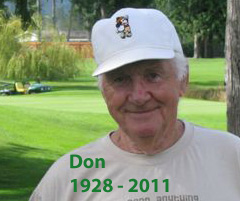 I’ve written these 10 tips in the context of caregiving – yet believe they can be universally useful. Test them out. Identify a scenario where you feel you could be better at being unconditionally compassionate – and see if you feel these tips are helpful.
Have additional tips? Leave a comment to share.
Looking for another perspective of compassion? Have a listen in on Joan Hyatt’s TED talk on compassion and empathy – It is moving and so accurate a description: http://www.ted.com/talks/joan_halifax.html